Native Black Poplars
Our Native Black Poplars
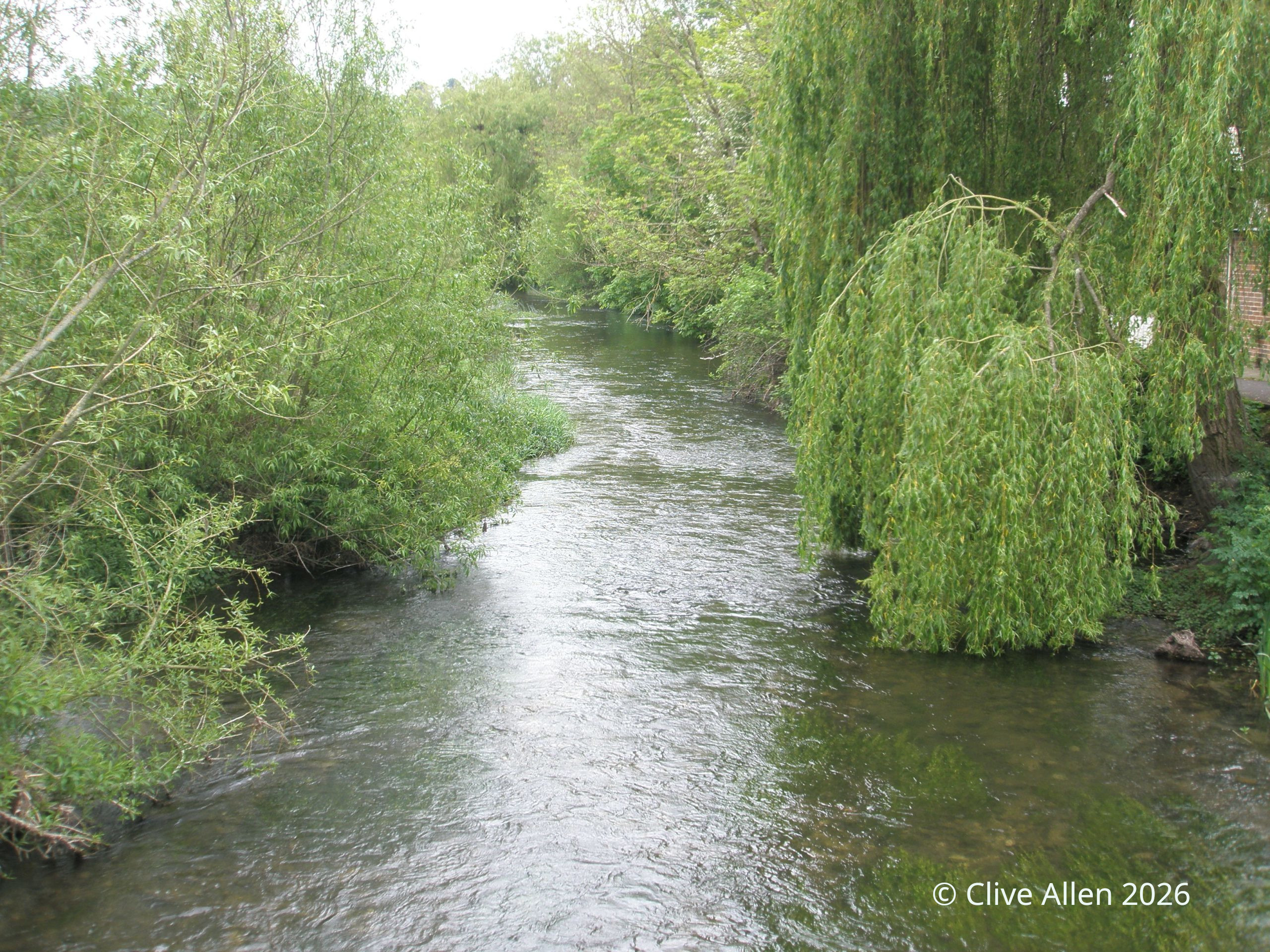
Wimborne is lucky as we have not one but two rivers, the lovely bubbling Allen and the gentle sleepy Stour. This creates riverine habitat suitable for a host of wetland species.
The areas around rivers are home to Alder and Willows but one native tree is missing: The Native Black Poplar. Please see magazine article. They would have been commonplace on the floodplains and by all our rivers and mill ponds but have long since gone.
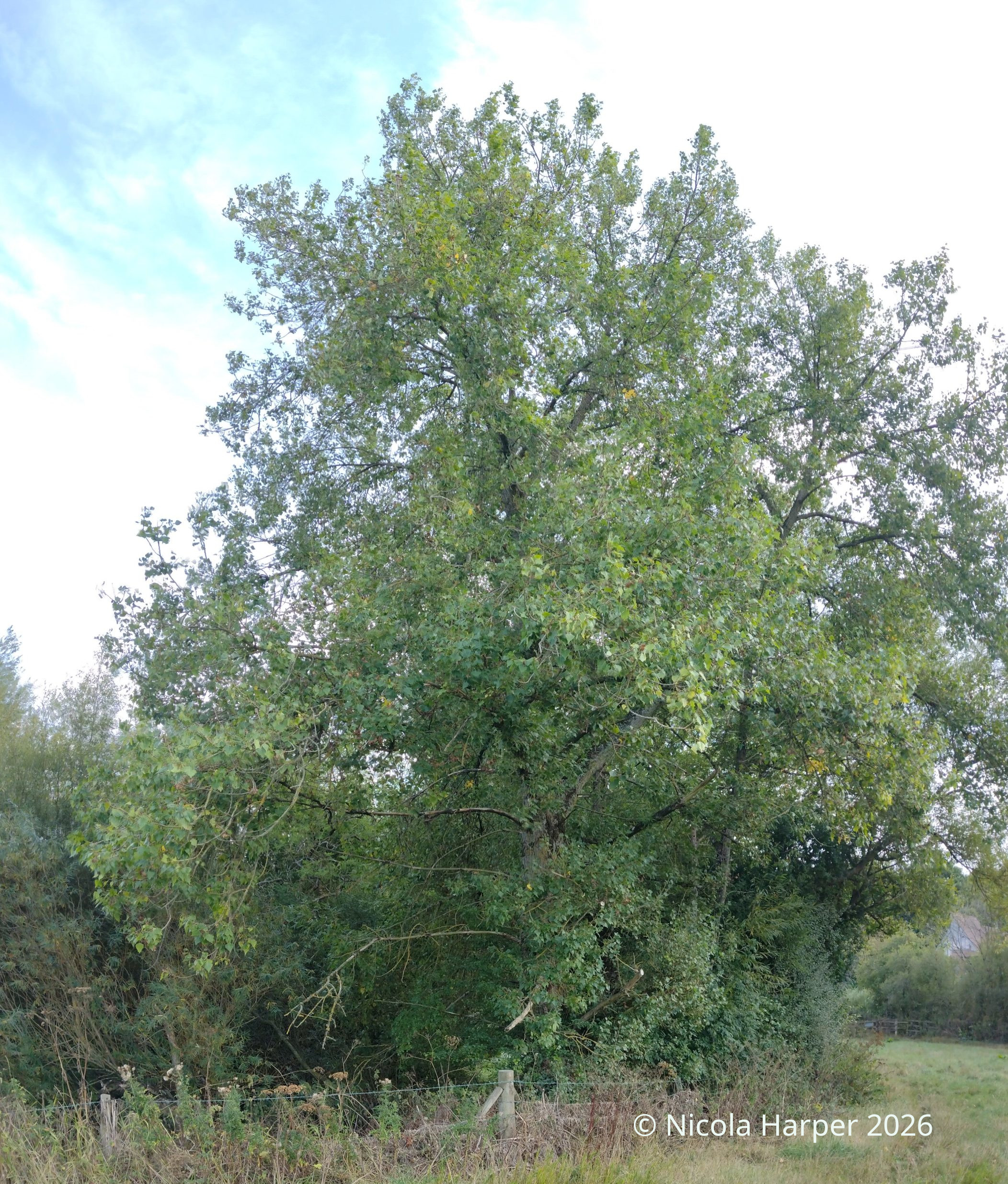
At 40 metres tall they are a magnificent, iconic tree, easily recognisable and as they age they develop their own individual characters.
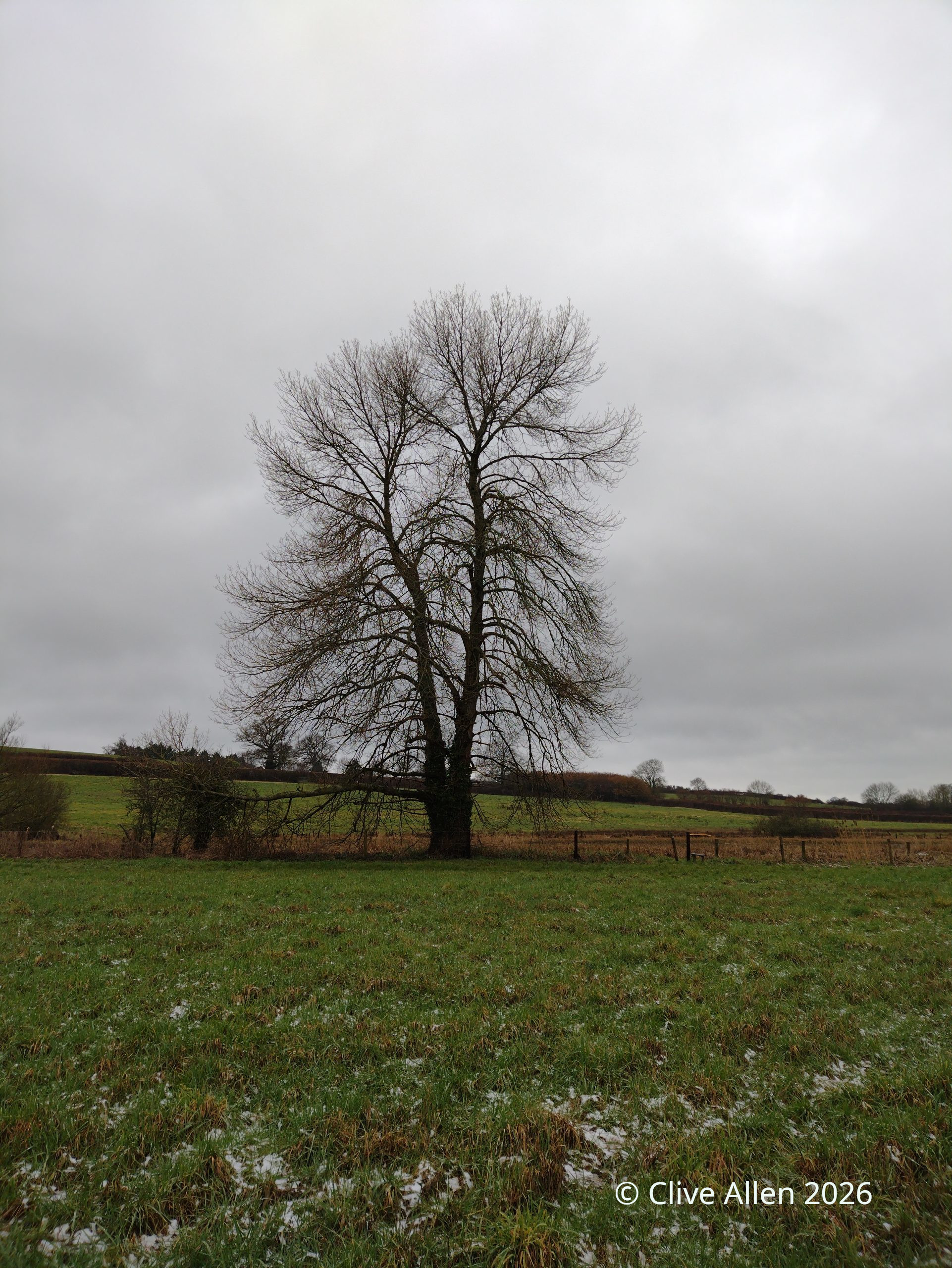
Why have they gone?
It is thought that the draining of the wetlands began as much as 4000 years ago but probably had little impact on wildlife. But with time the areas subject to draining extended and accelerated reaching a peak in the 17th and 18th centuries. More recently engineering of our rivers has continued to dry out the land.
The natural habitat of the Black Poplar disappeared and with it the tree’s ability to reproduce naturally. This is because germination of the seeds takes place on damp bare ground. For the seedling to survive the soil needs to stay damp during their first summer.
It is thought that there are very few examples of Native Black Poplars that have naturally regenerated and it would have been totally lost across much of its range if it wasn’t for its timber. It was valued for it’s strong but springy timber which was also fire resistant. As a result it was widely planted by rivers, mill ponds and in other damp places.
The timber supplied many very different trades; it was used for the crooks of medieval buildings, the floor boards of country houses, for cart wheels, mill componants, arrow shafts and and many small products used in the home, and even worn as clogs. The trees supplying these trades were all grown from cuttings, in later years supplied by nurseries!
This changed with the onset of the age of iron and steel. The Native Black Poplar was simply no longer needed. The Native Black Poplars predicament rapidly deteriorated when plant finders brought back non-native species of poplar which grew faster and straighter and which met the requirments of the modern age, serving new industries such as match making.
Black Poplars were rarely planted after 1850 and as their lifespan is only about 200 -250 years they have become harder and harder to find. For the few that remain we are also left with a legacy of poor management, resulting in a mismatch of males and female trees and very little genetic diversity.
What value do they have now?
These trees, when fully grown, can create 40 vertical metres of amazing habitat, prime real estate on the rivers edge and in wetlands with a selection of homes and dining facilities for a vast array of species.
For instance the roots can provide shelter for otters and the leaves food to over a 100 moth species, such as the Hornet Moth, the Black-Poplar Dot, the Poplar Hawk-Moth, and the Poplar Kitten. Many insects associated with this tree are endangered.
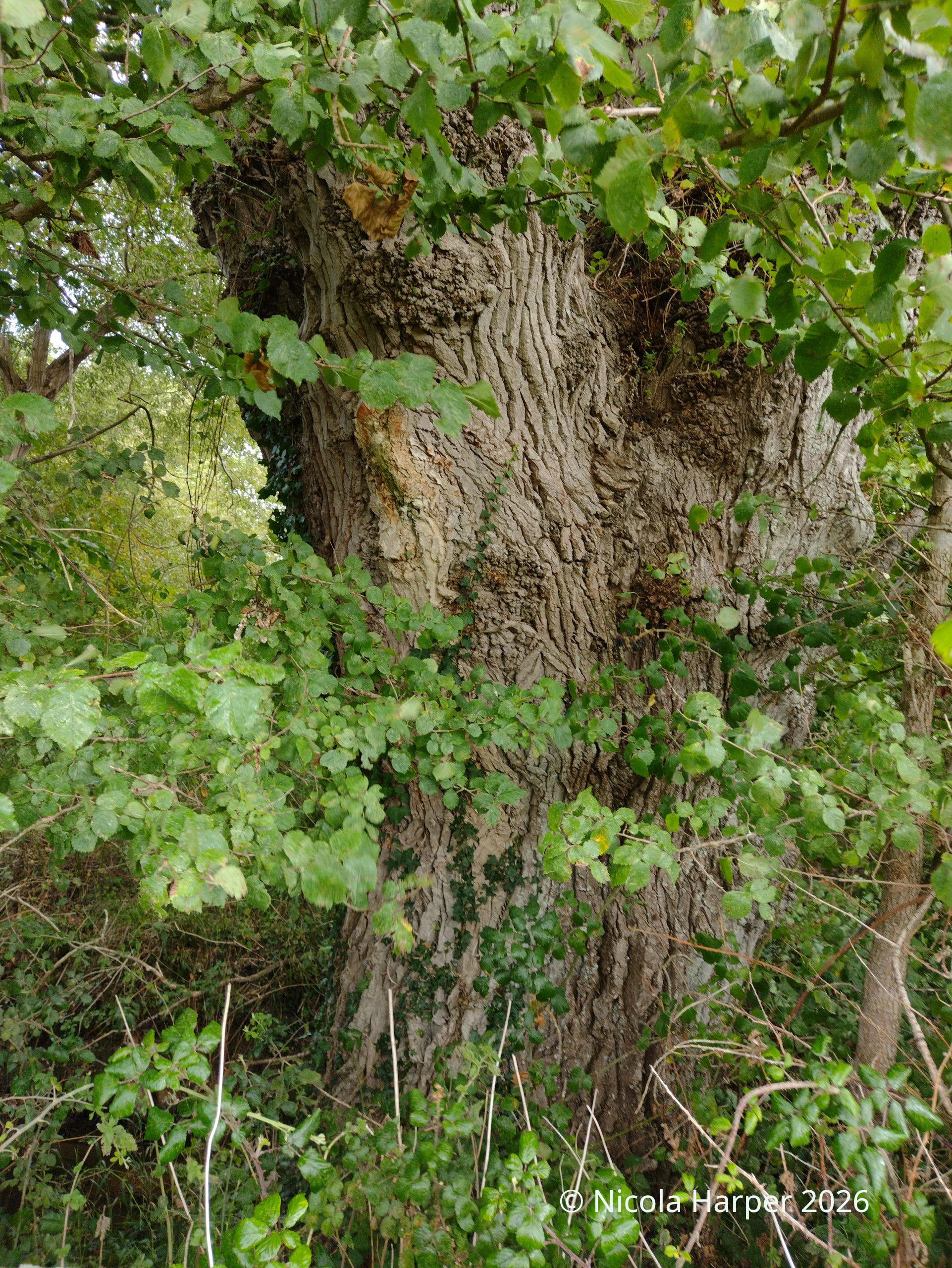
The trunk has deep fissures in the bark which creates a home for insects while broken branches provide opportunities for bats and birds.
The catkins serve as an early source of pollen and nectar for bees and other insects, while the seeds become a food source for birds.
It is a tree which helps to sustain health of the river habitat, helping to stabilise the bank, cooling the water, as well as absorbing pollution. As it grows rapidly it is a very efficient carbon sink.
It also has landscape value and is a tree that many walkers and residents recognise as a landmark, and so develop a deep affection for.
Is a Black Poplar Black?
No, the bark is either grey or brown. It is thought that the name came from very old myths, possibly Greek.
The name Black Poplar has only been used relatively recently in this country. Its earlier name was the Water Poplar, and this was used until and during the middle ages.
We can only presume that the name of the tree changed due to the drainage of the land and the places where it was originally found dissapeared.
What actions are Trees for Wimborne taking?
We are helping to restore these magnificent trees to our riverine landscape. While we cannot recreate the floodplain forests, we can begin the task of making them more familiar in our landscape, redressing the balance of male and female trees, increasing the genetic diversity and ensuring there are young trees for the future survival of the species and peoples enjoyment.
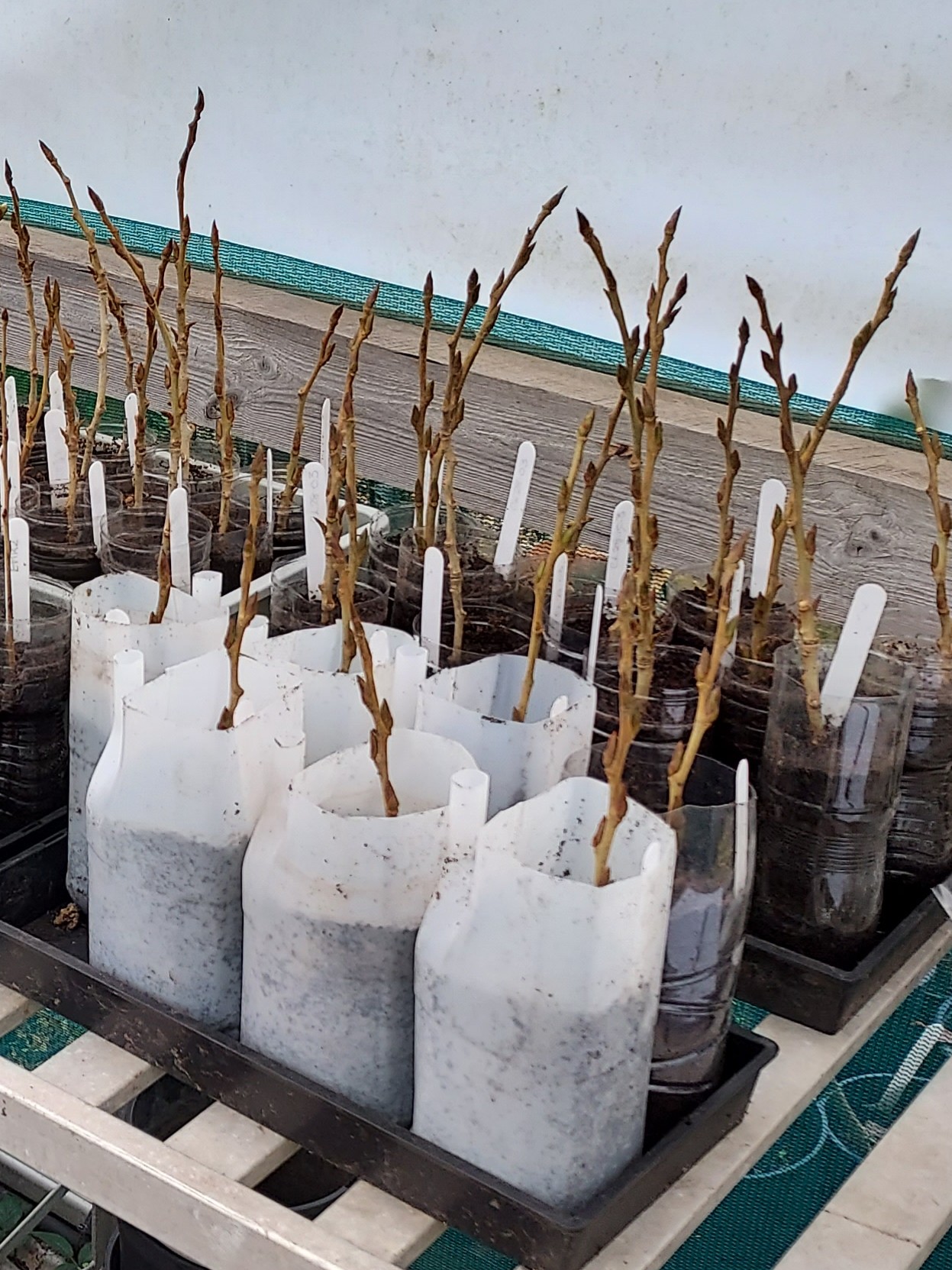
We are doing this by growing the trees from cuttings, many which are donated from landowners in the Stour Valley and beyond.
We ensure the parent trees are truly Native Black Poplars by having each tree genetically tested. Only once it is authenticated do we take cuttings. These are grown for approximately 2 years at a nursery provided by Upton Tree Specialists, by this time they will be at least 80cm tall and ready to be planted out.
We also have a small number of seedling trees. The seeds were collected by us from a female tree in Gloucestershire. As this was natural reproduction we do not know which tree was the male parent. As with the parent tree providing cuttings, each seedling tree has to be tested to be sure it is 100% Native Black Poplar. So far we have had 3 of our 9 seedling trees tested and they have all bred true. They are of course full or half siblings, but each genetically different; very precious to us, and a contribution to the number of existing clones, which number just over 200.
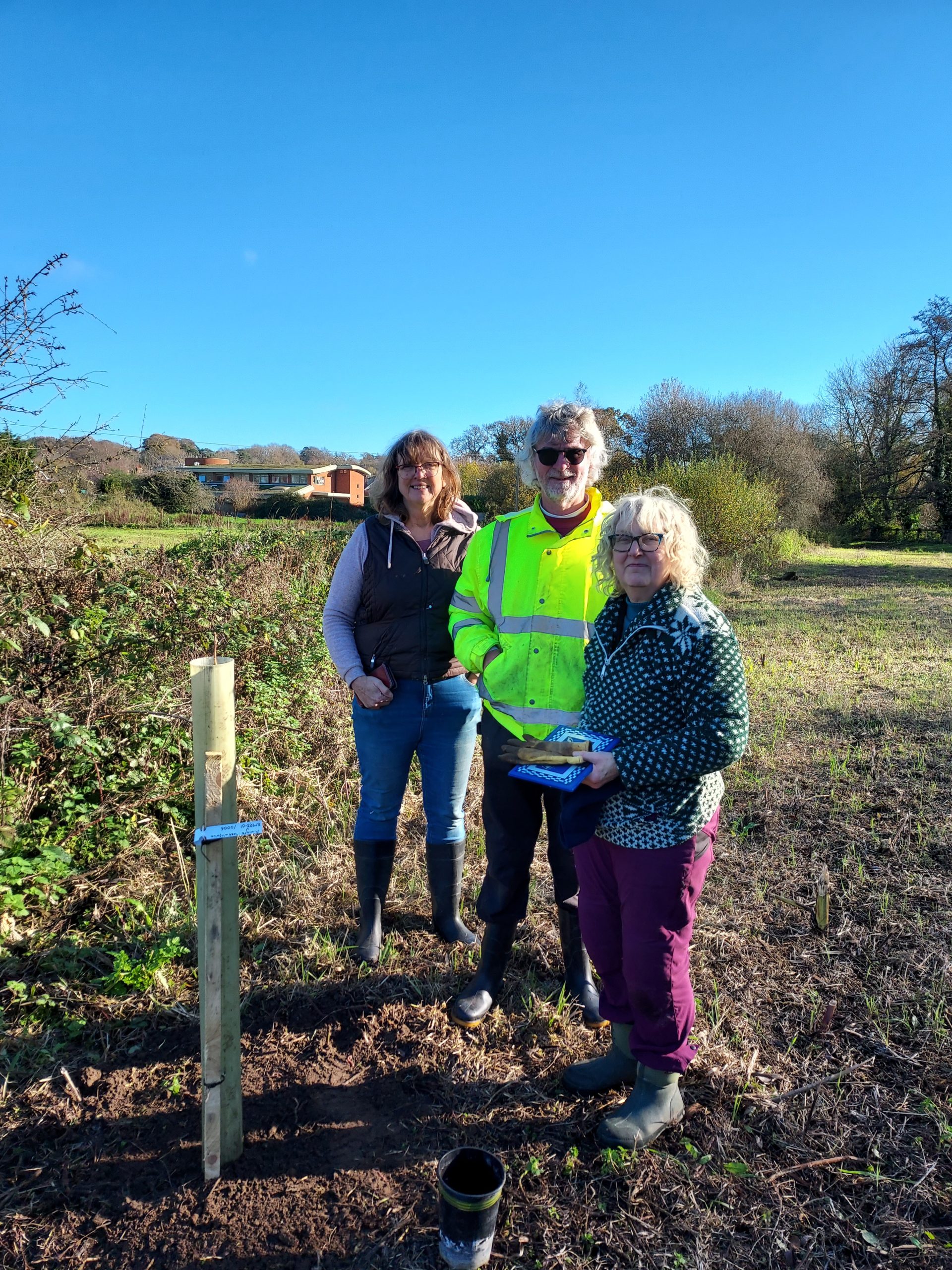
We now have planted 11 Black Poplars on Wimborne’s Public Open Spaces and many more on private land in the Stour Catchment. It will take 30 – 40 years before these trees take on their special character, but in the meantime look out for the young trees which can grow up to 6 feet a year in the right conditions!
This is very much a partnership project and we are working with many organisations and individuals to achieve our aims. We cannot be successful by working in isolation so we supply the trees to landowners well beyond Wimborne.
This year we even supplied trees to the clone bank at NT Killerton in Devon and the National Forest in the midlands.
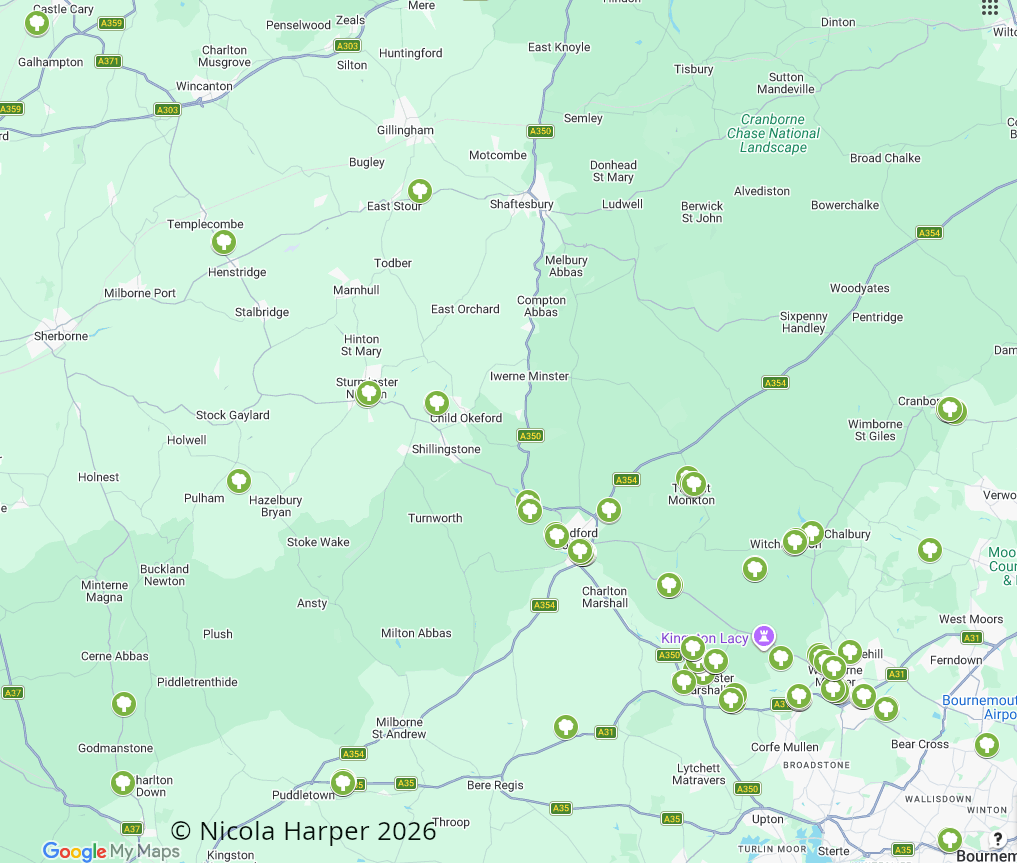
Approximate TfW Black Poplar planting locations to April 2026
We welcome being contacted by landowners or landmanagers, who are considering planting Native Black Poplars.
We supply trees free of charge although donations are always welcome to cover costs. Please note that our Black Poplars are produced on an small scale but with tender loving care for conservation purposes.
We usually make a site visit to discuss where you are planning to plant the tree(s) and whether the position is likely to meet their requirements. If you would like to find out more before contacting us you might like read our briefing note Planting and aftercare of Native Black Poplars (link below)
Briefings and Newsletters
Below are some recent Trees for Wimborne publications relating to Black Poplars which you may find interesting.
Native Black Poplar newsletter 26
Contact Us
To find out more about TfW Black Poplars please email us using the link below. We send out periodic updates for our activities on a mailing list, if you would like to be added to this list please mention in your enquiry.